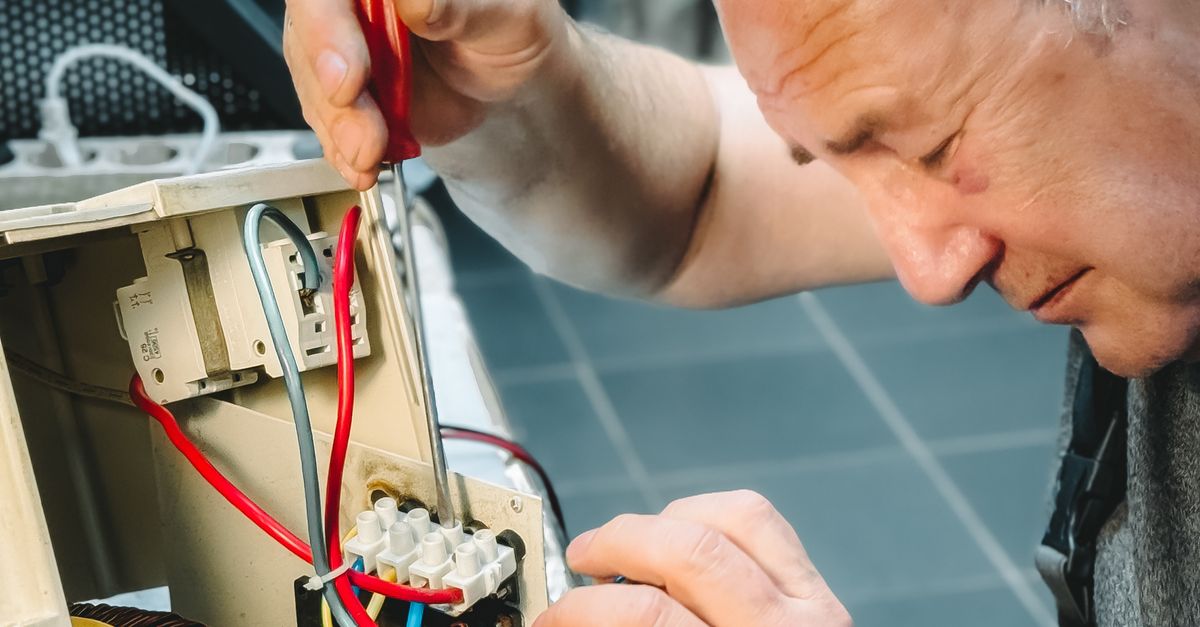
The Role of Safety Inspections in Preventing Electrical Hazards
Table Of Contents
Compliance with Regulations
Adherence to regulatory standards is vital for ensuring electrical safety in various environments. Compliance not only helps prevent accidents but also mitigates potential legal and financial repercussions for businesses and homeowners. Regulatory bodies establish guidelines that dictate the proper installation, maintenance, and inspection of electrical systems to eliminate hazards. These guidelines are regularly updated to reflect technological advancements and emerging safety concerns.
In Australia, the Australian Standards play a key role in shaping these regulations. The standards provide a framework for electrical safety that must be followed by all licensed electricians. Regular audits and checks ensure that these regulations are upheld, promoting a culture of safety within industries that rely on electrical installations. Non-compliance can lead to significant penalties and increased risks for individuals and communities.
National Guidelines Governing Electrical Safety
Electrical safety is primarily governed by national standards that outline the minimum requirements for safe installation and maintenance practices. These guidelines, set forth by organisations such as Standards Australia, aim to reduce the risk of electrical hazards in residential, commercial, and industrial settings. Compliance with these regulations not only enhances the safety of individuals but also protects property from potential fire and electrical hazards that can arise from faulty electrical systems.
Regular updates to these guidelines ensure they reflect advances in technology and changing safety needs. For instance, improvements in circuit design and materials have led to more effective safety measures being incorporated into the standards. Adherence to these national guidelines fosters a culture of safety, providing the framework required to mitigate risks while promoting responsible electrical practices across diverse environments.
Tools Used in Safety Inspections
Safety inspections for electrical systems rely on various tools that enable effective assessments of potential hazards. Multimeters serve as essential devices for measuring voltage, current, and resistance, providing critical data for evaluating the condition of electrical circuits. Insulation resistance testers are also vital; they help identify deteriorating insulation that could lead to short circuits or electrical shocks. Additionally, circuit analyzers assist inspectors in examining the integrity of circuit wiring and performance issues.
Other tools enhance the thoroughness of inspections and support a safe working environment. Thermal imaging cameras are increasingly popular, allowing inspectors to identify overheating components by imaging heat signatures. Clamp meters are handy for measuring current without needing to disconnect wires, which streamlines the inspection process. Each of these tools plays a significant role in detecting electrical issues early, enabling proactive measures to prevent hazards before they escalate.
Essential Equipment for Accurate Assessments
A variety of specialized tools play a crucial role in conducting thorough safety inspections. Insulation resistance testers help evaluate the integrity of electrical systems by measuring insulation resistance. Multimeters are essential for assessing voltage, current, and resistance within circuits, providing vital data on electrical performance. Visual inspection tools, including thermal imaging cameras, allow inspectors to detect overheating connections and components, which may indicate potential failure points.
Another critical piece of equipment is the circuit analyser, which assesses the overall health of electrical systems by measuring parameters such as harmonics and power factor. This tool is invaluable for identifying inefficiencies that can lead to increased energy consumption and safety risks. Using these tools in conjunction with a structured inspection checklist enhances the accuracy of assessments and reinforces the effectiveness of safety measures put in place.
Role of Qualified Inspectors
Qualified inspectors play a crucial role in ensuring electrical safety within various environments. Their expertise allows them to identify potential hazards that may not be visible to the untrained eye. Inspections conducted by these professionals not only help to maintain compliance with relevant safety standards but also contribute to the overall well-being of occupants and property. Regular evaluations by qualified inspectors can prevent accidents and mitigate risks associated with faulty wiring, overloading, or improper installations.
Training and certification standards are important for these inspectors, ensuring they have the necessary knowledge and skills to perform thorough assessments. They must stay informed about the latest industry regulations and technological advancements in electrical systems. Continuous education enables them to adapt to new safety challenges and provide informed recommendations. Their qualifications underscore the importance of professionalism in the field, fostering confidence in both regulatory compliance and the safety of electrical installations.
Qualifications and Training for Electrical Inspectors
Electrical inspectors play a crucial role in maintaining safety standards. These professionals must complete rigorous training programmes that cover both theoretical knowledge and practical skills. Typically, they need to hold relevant qualifications, such as a degree in electrical engineering or a diploma in electrical technology. Most states require inspectors to be licensed, which often involves passing examinations that assess their understanding of safety regulations and electrical systems.
Continuous professional development is essential for electrical inspectors to stay abreast of the latest technologies and safety practices. Many inspectors participate in workshops and training sessions that focus on emerging trends, regulatory updates, and advanced inspection techniques. This commitment to ongoing education enhances their ability to identify potential hazards and ensure that installations comply with current safety standards.
FAQS
What are safety inspections in relation to electrical systems?
Safety inspections involve a thorough examination of electrical systems and installations to identify potential hazards, ensure compliance with regulations, and promote overall safety.
Why are compliance regulations important for electrical safety?
Compliance regulations are crucial as they establish minimum safety standards that must be met to protect individuals and property from electrical hazards, thereby reducing the risk of accidents and injuries.
What tools are commonly used during electrical safety inspections?
Common tools for electrical safety inspections include multimeters, insulation resistance testers, circuit analyzers, and thermal imaging cameras, which help inspectors assess the condition and safety of electrical systems.
What qualifications should a qualified electrical inspector possess?
A qualified electrical inspector should have relevant certifications, such as an electrical engineering degree or a licensed electrician credential, along with specialized training in safety inspection practices and regulations.
How often should electrical safety inspections be carried out?
Electrical safety inspections should ideally be conducted annually or whenever significant changes are made to the electrical system, such as renovations or the installation of new equipment, to ensure ongoing safety compliance.
Related Links
Importance of Regular Safety Inspections for Commercial Electrical SystemsKey Compliance Standards for Commercial Electricians in Adelaide
How to Prepare for an Electrical Safety Audit
Understanding the Compliance Process for Electrical Installations
Essential Checklists for Conducting Safety Inspections
Navigating Compliance Regulations for Electrical Equipment
How to Ensure Electrical Safety Compliance in Your Business